Replacement windows for later houses in Tunbridge Wells
For the post-war estates and the plainer houses of the last century.
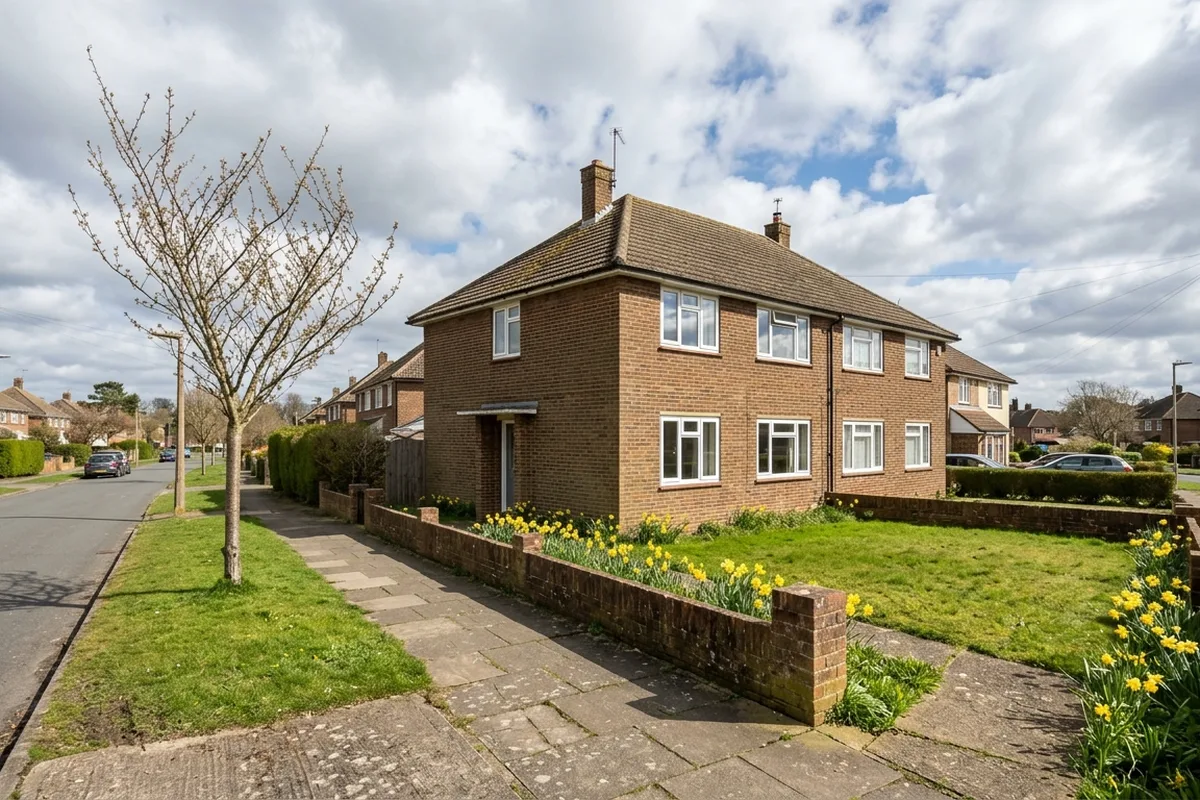
White chamfered casements on a post-war brick semi.
The houses
After the Second World War, Tunbridge Wells built large estates at Sherwood and Ramslye. Pembury grew from five hamlets into one village during the twentieth century, with private estates such as Woodhill Park, Ridgeway and Beagleswood in its second half.
These houses were built with plain casements. There's no historic pattern to copy, so the choice comes down to warmth, security, upkeep and appearance.
What to fit
Chamfered uPVC casement in white. The cheapest sensible window and the right one for most of these houses.
uPVC in a colour. Anthracite grey and other colours cost a little more and suit houses that have been modernised.
Tilt-and-turn. Useful for upstairs windows that are hard to reach for cleaning, and for escape windows.
Slim aluminium. For a sharper look or a large picture window. See aluminium.
Most of these houses are not in a conservation area and keep their permitted development rights, so planning rarely comes into it. Building regulations still apply: new windows must meet current energy standards, and some upstairs rooms need an escape window. A FENSA-registered installer certifies this for you.
An example from Sherwood
Illustrative example of a typical job · Tunbridge Wells
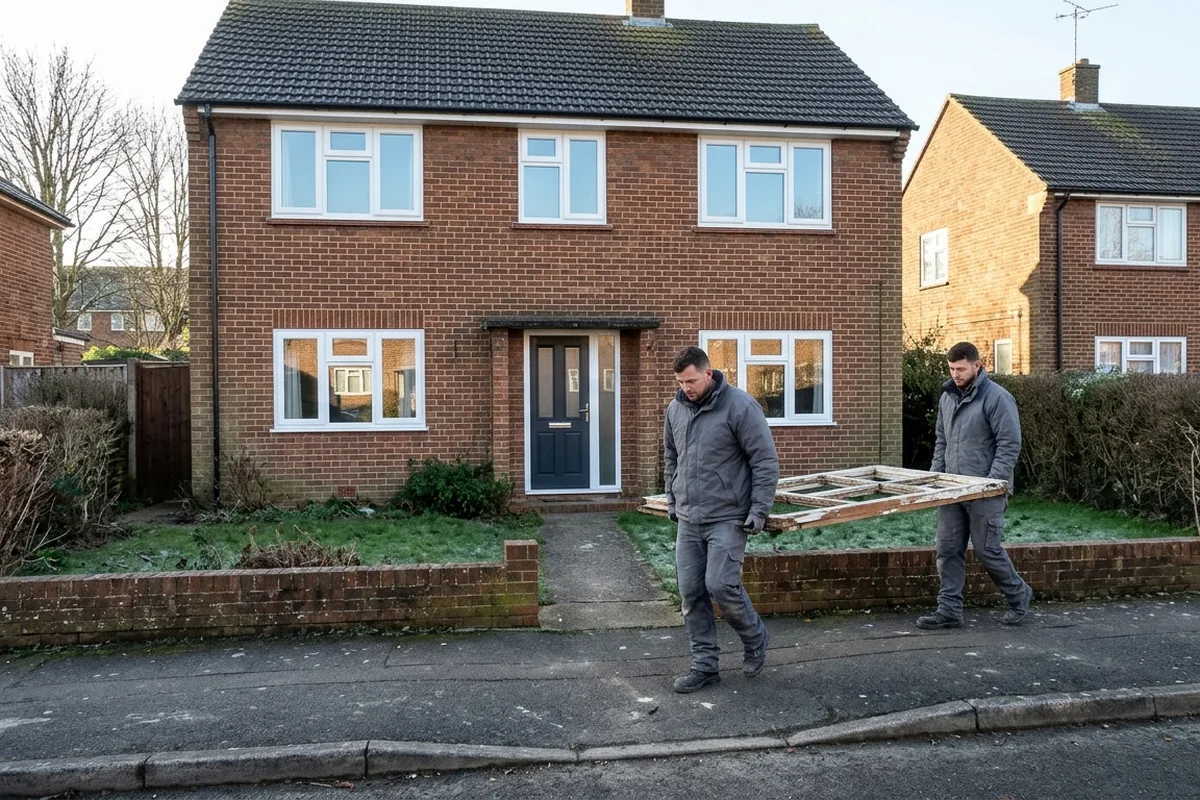
A post-war house on the Sherwood estate
A two-storey brick house on the Sherwood estate, one of the large estates built in Tunbridge Wells after the Second World War, with five windows and a front door.
Five chamfered uPVC casements in white, around 1000 by 1200 mm
Composite front door in a plain panel style
Upstairs windows fitted from ladders and towers on a job of this size
Typically £6,300 to £10,000, supplied and fitted, including VAT
Chamfered white uPVC is the plain, sensible choice for these houses. Nothing about them calls for a flush or heritage frame.