These are seven illustrative examples of typical jobs in Tunbridge Wells and the villages round it, smallest first. They are not records of particular jobs. Each gives the kind of house, a short specification and the range such a job typically falls in, supplied and fitted, including VAT.
What the ranges include: the windows and doors, fitting, making good inside and out, and taking the old frames away. On a small job with an upstairs window, scaffold adds about £500, and the first example includes it.
What is priced after the survey: bay support, rotten sills and damaged brick arches, because nobody can price them before seeing them. Your own figure comes in writing once the surveyor has been, and that is what you would pay.
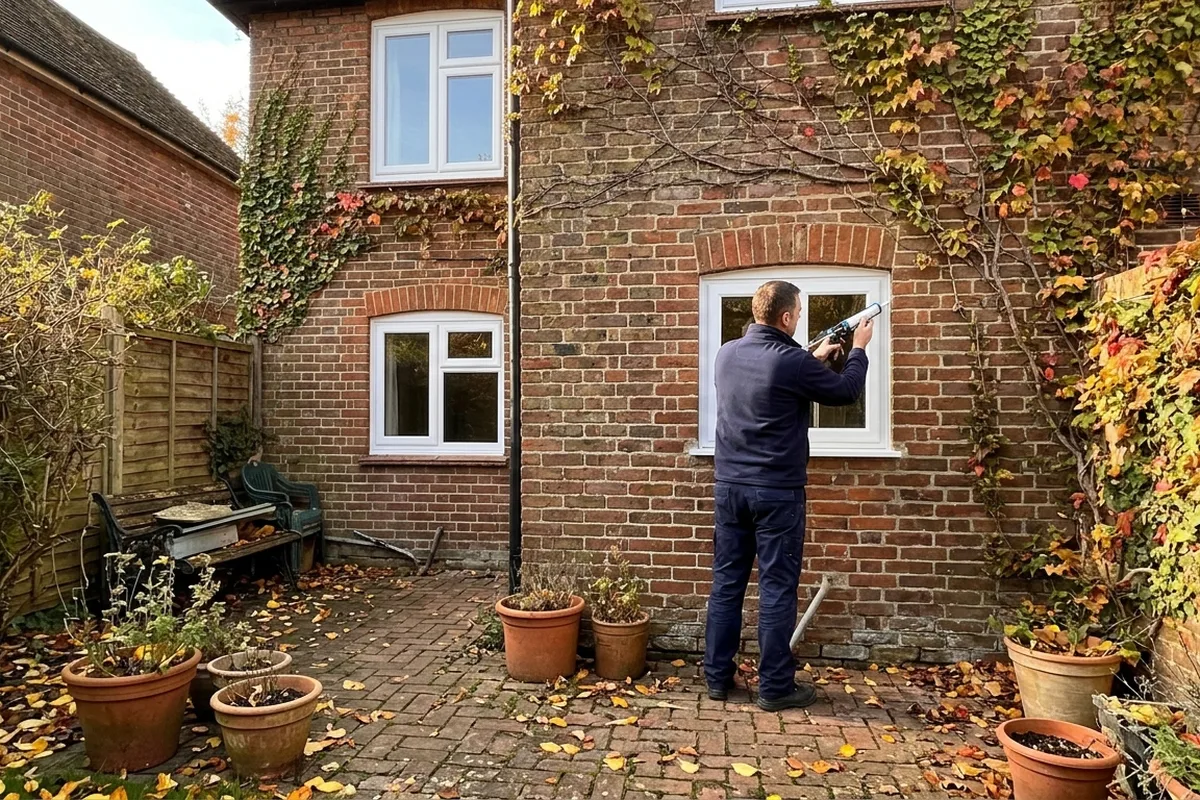
Illustrative example of a typical job · Rusthall
Three back windows on a Rusthall cottage
A small Victorian brick cottage of the kind built in Rusthall after the railway reached Tunbridge Wells, with three rear windows: two small ones on the ground floor and a larger one to the back bedroom.
- Two small uPVC flush casements downstairs, each about 600 by 900 mm
- One uPVC flush casement to the back bedroom, about 1000 by 1200 mm
- White outside and in; the bedroom window is upstairs, so a small scaffold is allowed for
Typically £3,150 to £4,600, supplied and fitted, including VAT
On a job this small the scaffold for the bedroom window is a real share of the cost, about £500, so it makes sense to do all three in one visit.
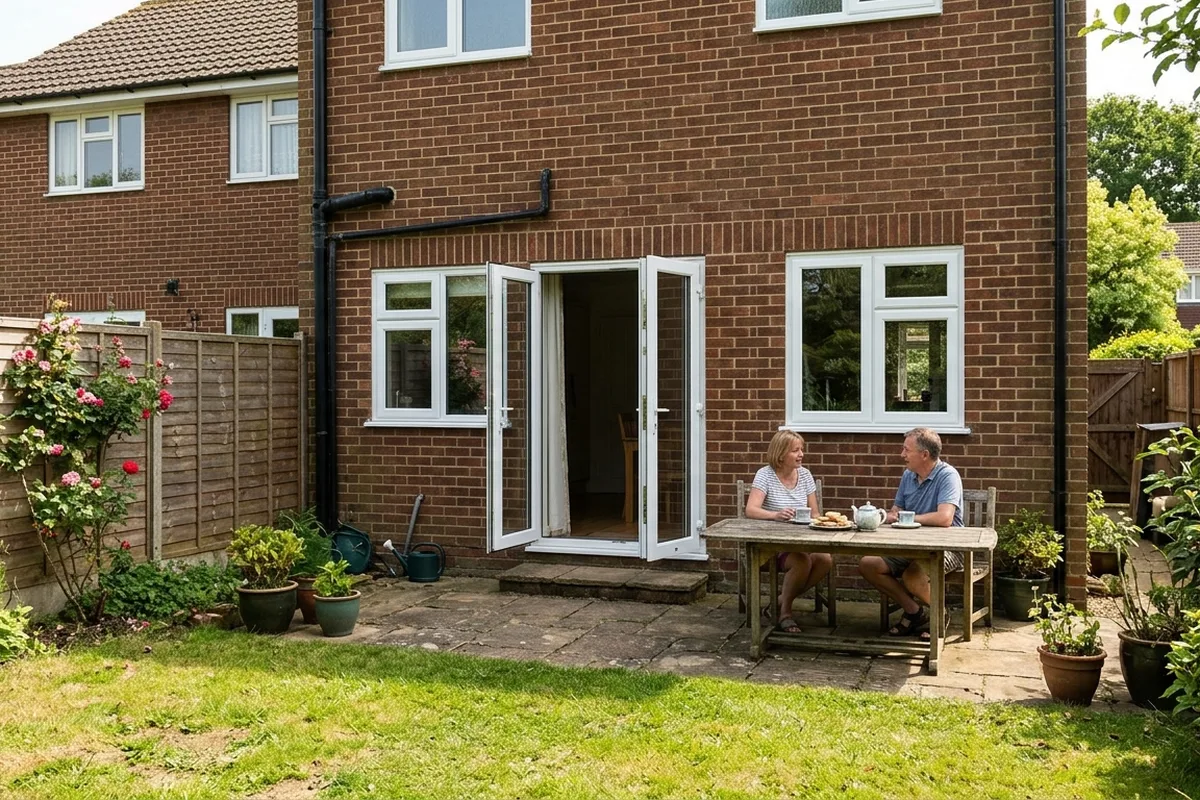
Illustrative example of a typical job · Pembury
French doors and two casements on a Pembury semi
A semi-detached house on one of the estates built in Pembury in the second half of the twentieth century, such as Woodhill Park, where the back room opens onto the garden.
- uPVC French doors, about 1500 by 2100 mm, replacing a sliding patio door
- Two chamfered uPVC casements beside them in a heritage colour outside, white inside
- Ground floor only, so no scaffold
Typically £4,450 to £6,450, supplied and fitted, including VAT
French doors suit a back room of this width better than a bifold, which needs more opening than these houses usually have.
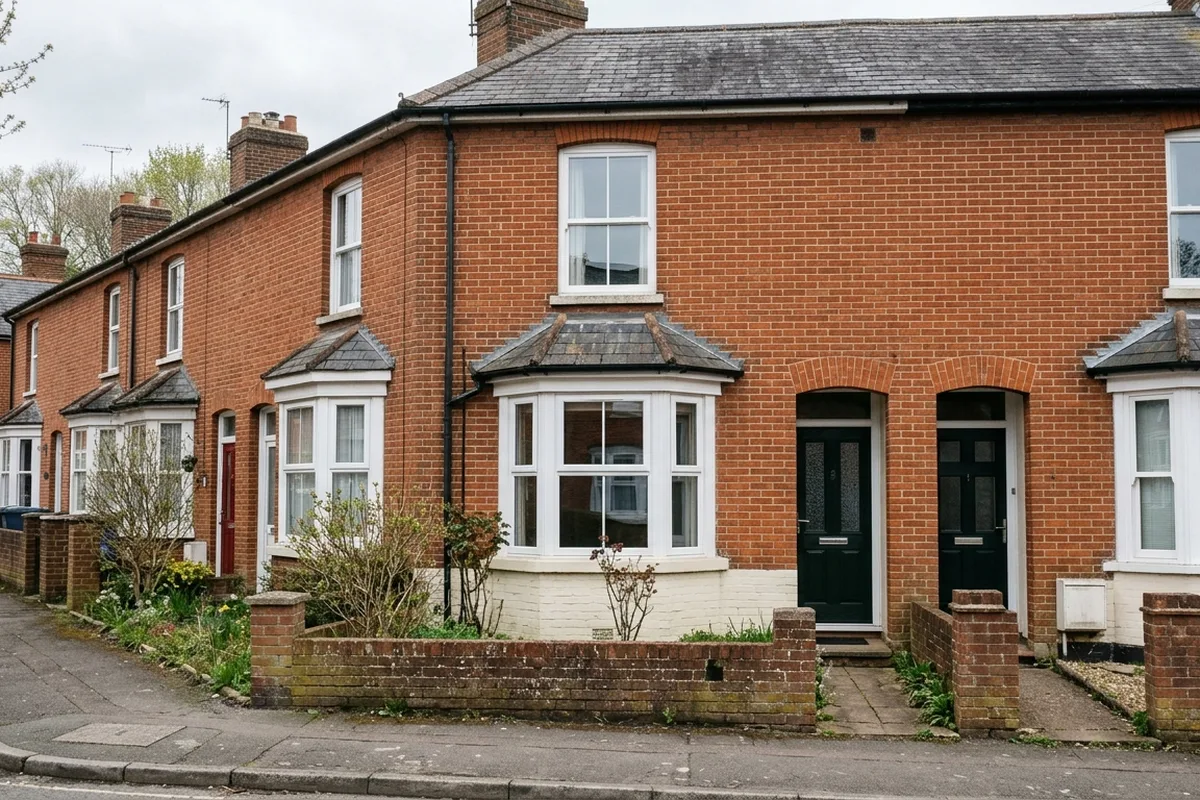
Illustrative example of a typical job · Southborough
A front bay and a new front door in High Brooms
A red-brick terraced house in High Brooms, Southborough, with a three-sided canted bay on the ground floor and a front door straight onto a short path.
- uPVC flush casement canted bay, three units, about 2000 by 1400 mm overall
- Composite front door, about 920 by 2100 mm, with a small glazed panel
- Bay support and the sill are checked at the survey and priced then if needed
Typically £5,600 to £9,450, supplied and fitted, including VAT
Doing the bay and the door together means one visit and one set of making good on the front wall.
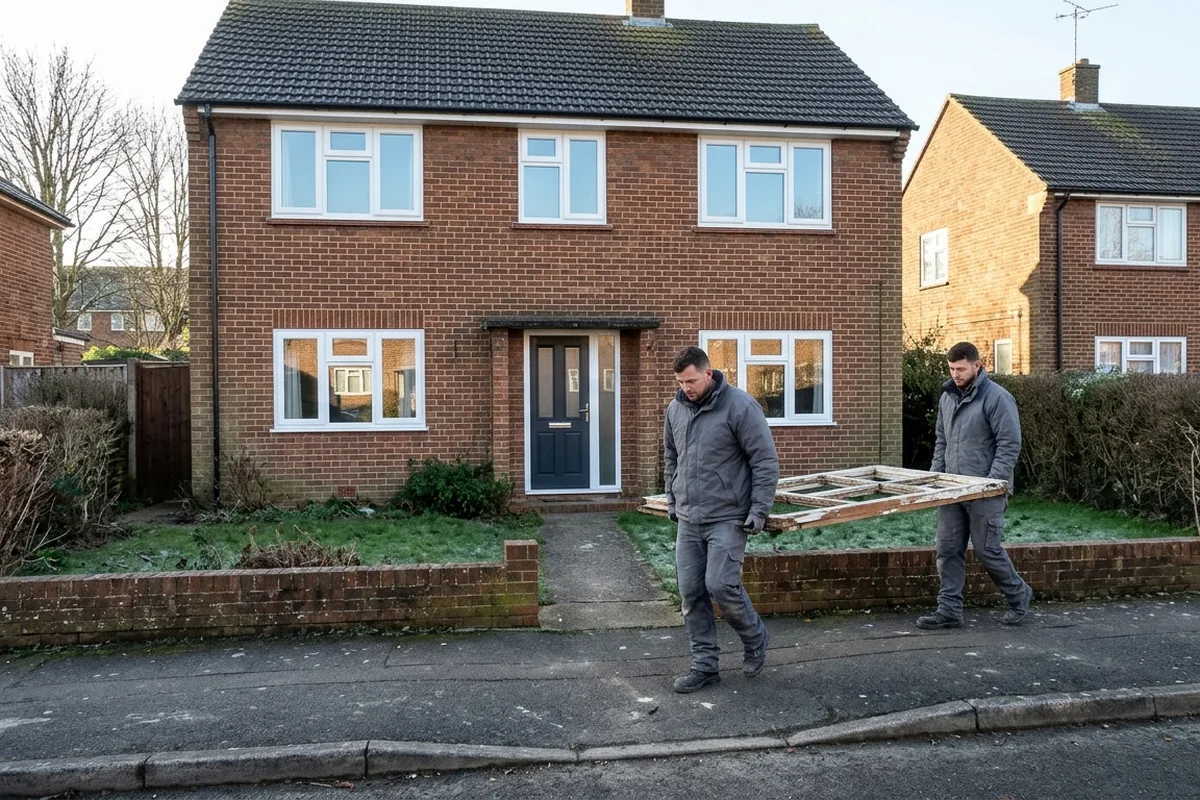
Illustrative example of a typical job · Tunbridge Wells
A post-war house on the Sherwood estate
A two-storey brick house on the Sherwood estate, one of the large estates built in Tunbridge Wells after the Second World War, with five windows and a front door.
- Five chamfered uPVC casements in white, around 1000 by 1200 mm
- Composite front door in a plain panel style
- Upstairs windows fitted from ladders and towers on a job of this size
Typically £6,300 to £10,000, supplied and fitted, including VAT
Chamfered white uPVC is the plain, sensible choice for these houses. Nothing about them calls for a flush or heritage frame.
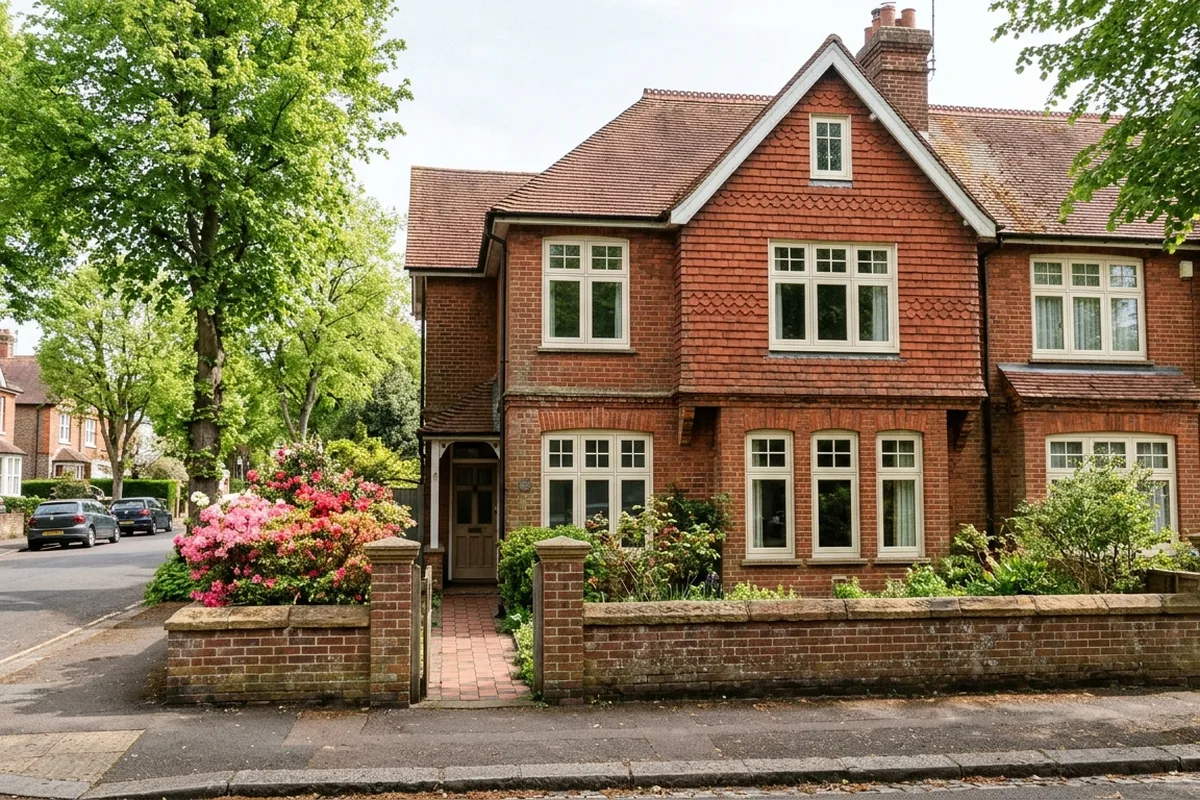
Illustrative example of a typical job · Tunbridge Wells
Six flush casements on an Edwardian house, in uPVC
A red-brick Edwardian semi with tile-hung gables in the streets around Warwick Park, where the original windows were painted timber casements with small panes in the upper lights.
- Six uPVC flush casements, about 1000 by 1200 mm
- Cream outside, white inside, with a transom and astragal bars in the top light to follow the old pattern
- Sits flush in the frame like the timber it replaces
Typically £6,600 to £11,700, supplied and fitted, including VAT
Set this beside the timber version of the same job below. The pattern of bars and the flush sash matter more to how the house looks than the material does.
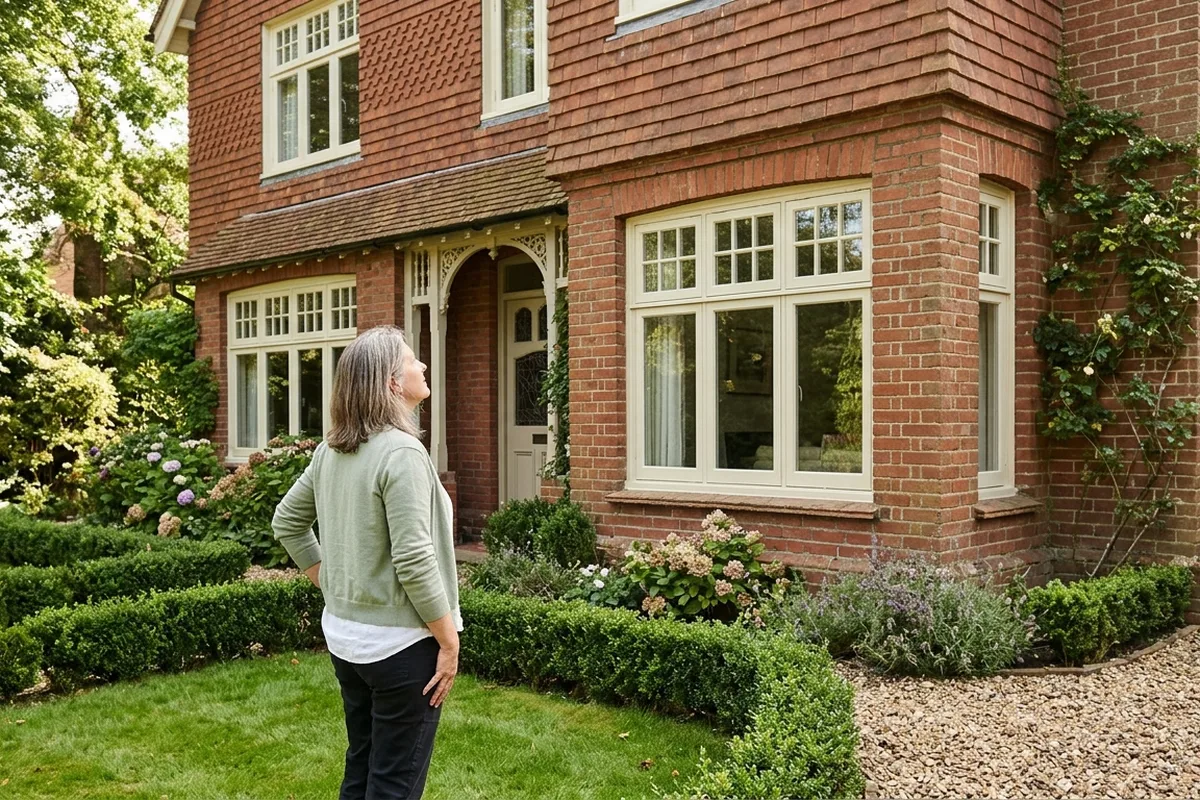
Illustrative example of a typical job · Tunbridge Wells
The same six casements in painted timber
The same Edwardian semi near Warwick Park, this time with the casements made in timber and painted, which is how the houses were first built.
- Six timber flush casements, about 1000 by 1200 mm
- Painted cream, with true glazing bars in the top light
- First repaint due roughly three years after fitting, then at regular intervals; the installer does not repaint, so that falls to you
Typically £12,000 to £22,800, supplied and fitted, including VAT
About double the uPVC version, and that is before any paint. The installer fits the windows but does not come back to repaint them, so the first coat after about three years, and every one after it, is the owner's job to arrange. Timber is the right answer where a house is listed or the council asks for it. For most of these houses the uPVC flush version keeps the look for half the money.
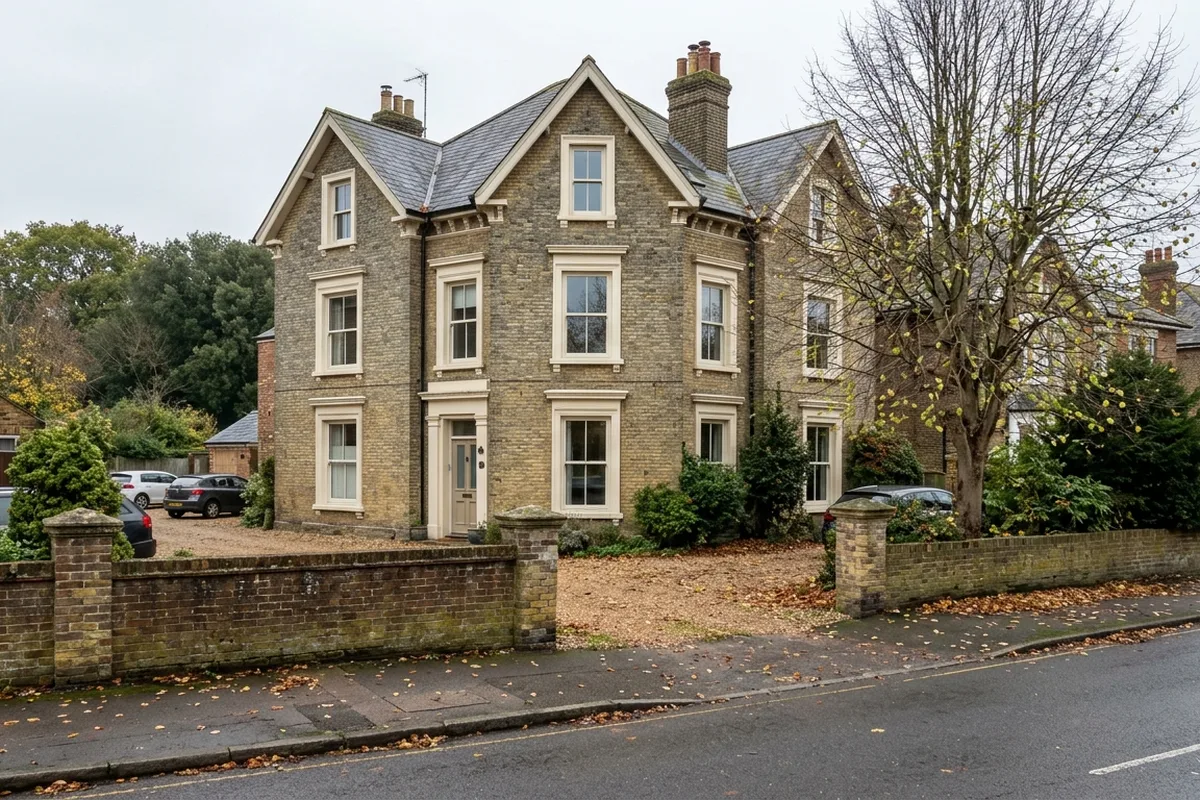
Illustrative example of a typical job · Tunbridge Wells
Seven sashes on a Victorian villa in St James
A Victorian villa in St James, the part of the town conservation area laid out in the 1850s, that is still a single house rather than flats, with seven sliding sash windows on the front and side.
- Seven uPVC vertical sliding sashes, about 900 by 1800 mm
- Woodgrain finish in off-white, with plain panes and no bars, following the existing windows
- Scaffold for the upper floors is priced at the survey on a job of this height
Typically £12,450 to £18,050, supplied and fitted, including VAT
The same seven windows in painted timber box sash would start from £18,550 installed (from £2,650 installed per window). Unless the house is listed, a woodgrain uPVC sash in the right pattern is what most owners here choose.
Why ranges and not a price list
Two windows of the same size can be very different jobs here: one on the ground floor of a Sherwood house, the other on the second floor of a St James villa with a stone sill to repair. Whole-job ranges give a fairer idea than a per-window list. To get a figure for your own house, ask for a survey.