Replacement windows in Tunbridge Wells, matched to the age of your house
Tunbridge Wells was built in waves: the spa streets round the Pantiles, Regency stucco and Decimus Burton's stone villas, Victorian roads after the railway, Edwardian red brick, then the post-war estates. Each wave had its own windows. Answer three questions and we point you to the right one for your house.
The first thing to know
Most houses in Tunbridge Wells can have their windows replaced without planning permission, even inside the town's conservation area, which was first drawn in 1969 and takes in the Pantiles, Mount Sion, Calverley Park, Camden Park, St James and much of the town centre. The condition is that the new windows look like the old ones. So the real question for most owners is not "am I allowed?" but "what did the windows on this house look like when it was built?"
Two kinds of home are different. Listed buildings, which include all 24 of Burton's villas in Calverley Park, need listed building consent for any change. Flats have no permitted development rights, and there are a lot of them here: in St James, for example, many of the large villas laid out in the 1850s have since been split into flats. For a flat, a change of style or material needs a planning application. The permission page sets out how to check which applies to you.
Four kinds of house, four kinds of window
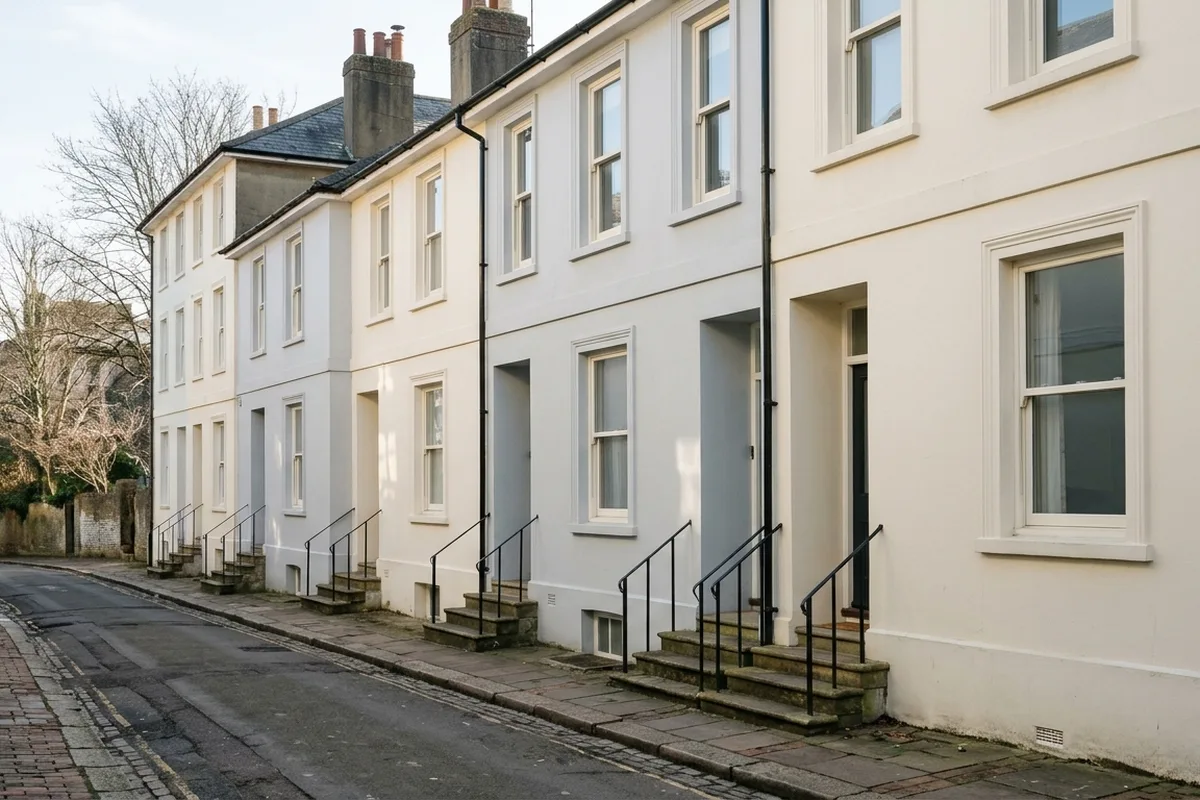
Regency and early Victorian
Stucco fronts on Mount Sion, the stone villas of Calverley Park from 1828, and the stucco Italianate houses of Camden Park from about 1853. Sliding sashes, and a good share of the town's listed buildings.
Sliding sash windows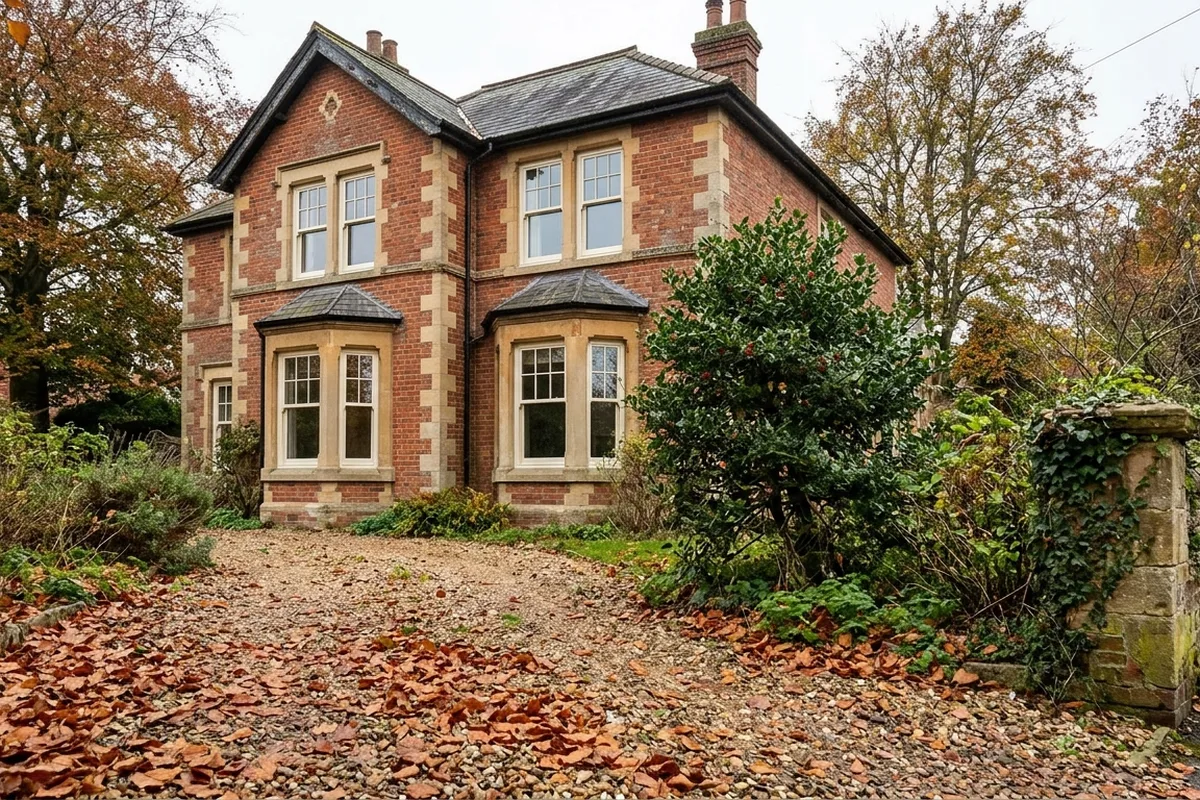
Victorian villas and terraces
St James, laid out in the 1850s and largely built by 1871, and the streets that followed the railway from 1845. Sashes at the front, often casements at the back.
Windows for period homes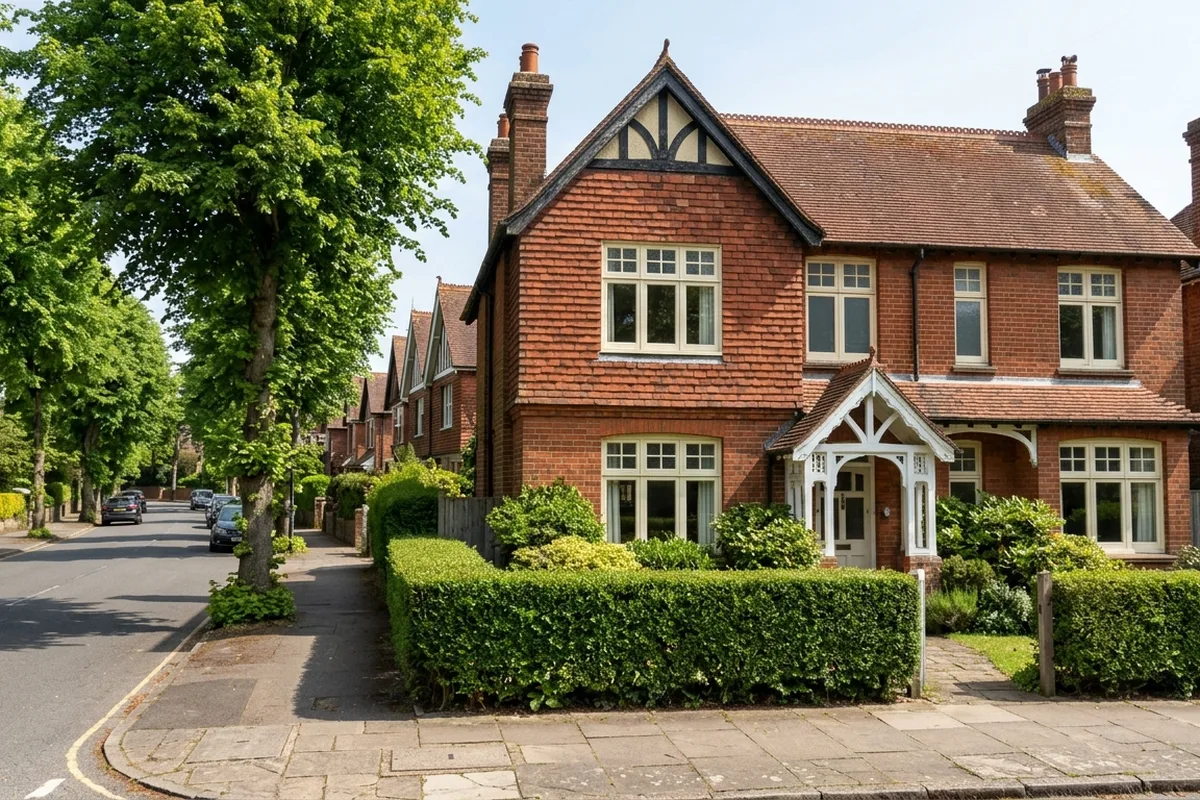
Edwardian red brick
Madeira Park and Warwick Park, laid out in the 1890s, set the pattern: casements with small panes in the top lights, under tile-hung gables.
Edwardian casements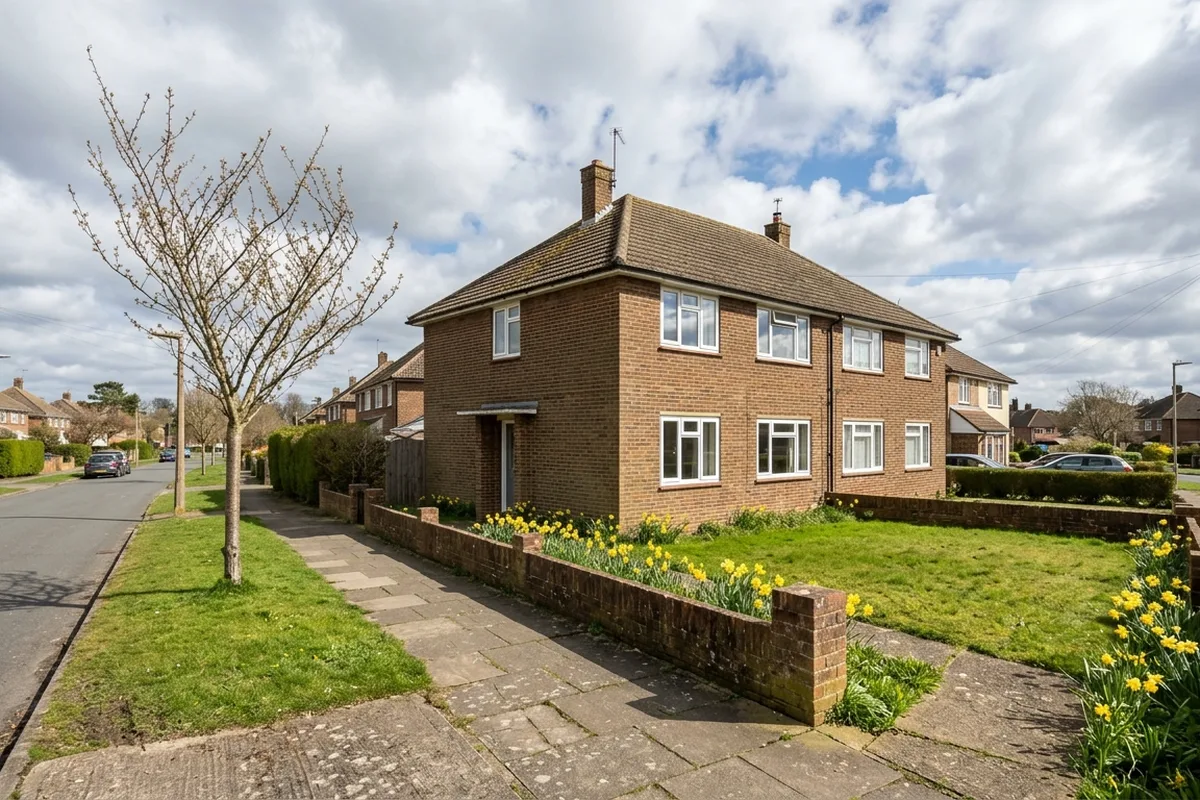
1920s to 1970s
Sherwood and Ramslye after the war, and estates such as Woodhill Park in Pembury. Plain casements, where the aim is warmth and less upkeep.
Windows for later housesWhat jobs here typically cost
We don't publish a price list, because the same window costs different amounts on a cottage in Rusthall and a three-storey house in St James. The costs page walks through seven example jobs from Tunbridge Wells and the villages, smallest first, each with a typical range for the whole job. The smallest is three back windows on a Rusthall cottage. The largest is seven sashes on a Victorian villa in St James.
One pair of examples is the same Edwardian house twice: once in uPVC flush casements and once in painted timber. The timber version costs about twice as much, and its paint wants renewing around three years after fitting and regularly from then on. Timber is the right choice for a listed house. For most others, a flush casement with the right bars keeps the look.
Southborough, Rusthall and the villages
The same questions apply just outside the town, with different answers. Southborough has its own conservation area round the Common. Speldhurst, Langton Green, Pembury and Bidborough each have one around the old village centre, and the buildings in them run from timber-framed hall houses to 1960s estates.
- SouthboroughThe Common, High Brooms and the 1860s villas
- RusthallLower Green Road cottages and railway-age streets
- Langton GreenThe green, All Saints and the A264 houses
- PemburyThe old village centre and the later estates
- SpeldhurstTimber frame, tile-hanging and sandstone
- BidboroughA small sandstone village above the valley
How an enquiry works
Your details go to a FENSA-registered installer that works across Tunbridge Wells and west Kent. It sends a surveyor to measure, look at the sills, bays and brick arches, and talk through the pattern of each window. The written quote comes from the installer, in its own name. How enquiries work explains the rest.